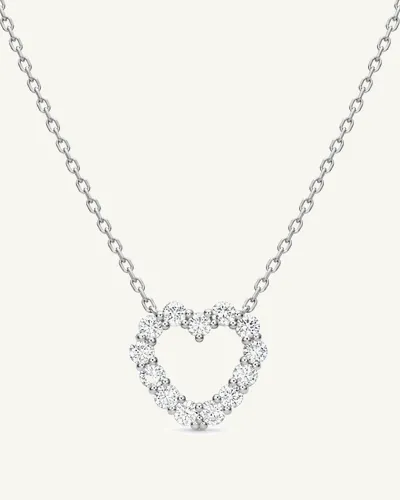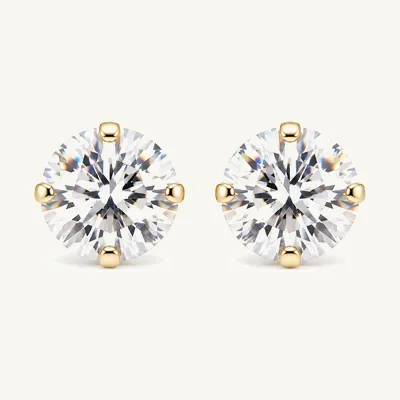
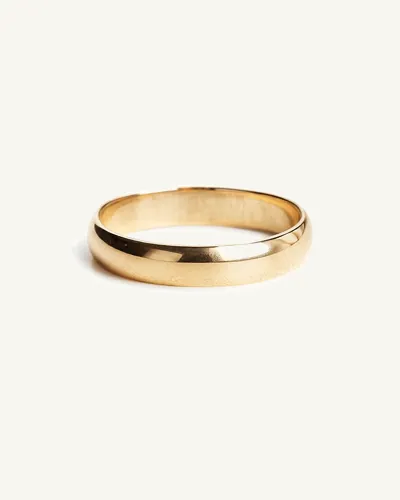
Every piece of jewelry on our site is made of 14K gold. Customers often ask us why not 18K, and why not 24K, which is "pure gold". Good question. The answer comes down to what you want from a piece of jewelry: that it looks good, and that it holds up when you wear it every day.
What karat means in gold
Karat in gold measures purity: how much gold is in the piece, out of 24 parts. 24K is almost entirely pure gold. Any lower number means the gold is mixed with other metals, and that mix is called an alloy.
- 24K: pure gold. About 99.9% gold.
- 18K: 18 parts out of 24, so 75% gold.
- 14K: 14 parts out of 24, so about 58.3% gold.
- 9K: 9 parts out of 24, so 37.5% gold.
Note: diamonds also have carats, and there it's a unit of weight altogether (one carat is 0.2 g). Same word, two different things. We wrote about diamonds in lab-grown diamonds.
What the 585 stamp means
On a lot of gold jewelry you'll find a small stamp with a number. The number tells you how much gold there is out of 1,000 parts. 585 is the usual mark for 14K gold (58.5%), 750 is 18K, and 375 is 9K. Sometimes it simply says 14K.
Why not 24K
Pure gold is a very soft metal. A 24K gold ring will bend, scratch and lose its shape fast. A stone set in soft gold is less secure, because the prongs holding the stone bend easily.
That's why other metals are added to gold. They make it stronger, and they give it its tone.
14K or 18K
There's no single right answer here, but there are clear differences:
- Hardness. 14K is harder than 18K. It scratches less, holds its shape and holds stones securely. That's what makes it the common choice for rings and for jewelry you wear every day.
- Color. 18K has more gold, so its yellow is deeper and warmer. 14K is a slightly lighter yellow.
- Price. More gold means a higher price. For the same budget, 14K lets you get a bigger or more striking piece.
If you're buying jewelry for everyday wear, 14K gold is an excellent choice. That's exactly why we chose it.
Yellow gold, white gold
White gold is gold too. The difference is in the metals added to it. Yellow gold gets metals that keep its warm tone. White gold gets light-colored metals, and it's usually plated with a thin layer of rhodium, a white, shiny metal.
The rhodium plating wears down slowly over the years, mostly on rings, because they touch everything. When that happens, a jeweler can redo the plating. It's routine care, not a defect.
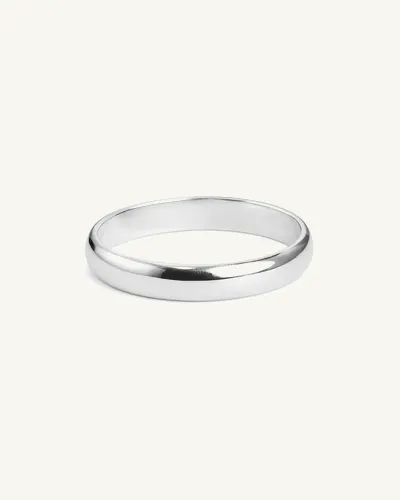
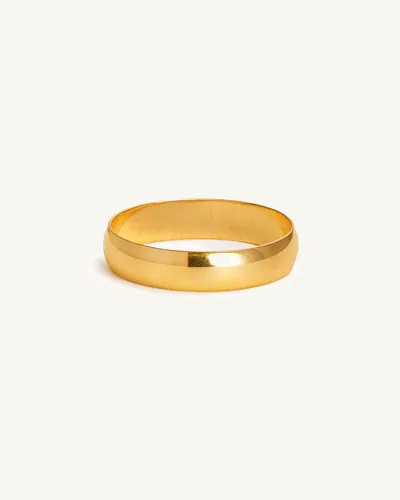
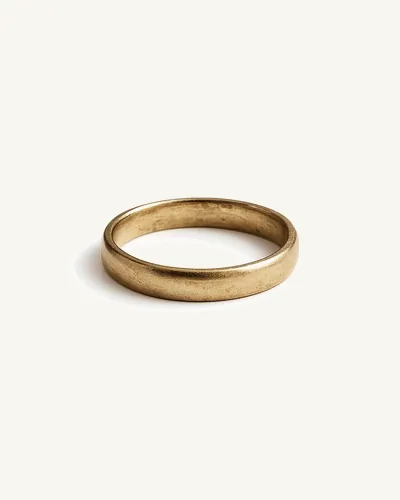
We have rings in both tones. You can see, for example, a polished white gold ring next to classic yellow gold rings in the women's gold rings category.
Gold weight
Gold jewelry is sold partly by how much gold is in it. Some of our product pages show a weight, for example "approx. 6.5 g". The word "approx." is there on purpose: under our terms, weights and measurements shown as approximate can vary slightly because of the manufacturing work or a resize. If the exact weight matters to you, ask us before you order.
How to know it's really 14K gold
Three things worth checking with any purchase, from us or anywhere else:
- The stamp. Look for 585 or 14K on the piece. On very small pieces, like earrings, there's sometimes no room for a stamp, so the mark is on the clasp or not there at all.
- The written description. The type of gold should be written on the product page and on the invoice. Every product page of ours states 14K, and under our terms the gold type and purity will be as stated in the product description.
- Solid gold or plating. "Gold plated" means a thin layer of gold over another metal. The karat then describes only that layer. In a solid gold piece, the whole piece is made of the same alloy.
Sensitive skin
Most people wear 14K gold with no problem at all. Someone whose skin is especially sensitive to certain metals, like nickel, may react to some alloys. If that's you, tell us before you buy, and we'll work out together what suits you.
How to care for 14K gold
The gold itself doesn't rust or tarnish black. What dulls it is oil from the skin, creams and perfume. A few simple rules from our terms:
- Take your jewelry off before sport, sleep, showering and cleaning with chemicals.
- Store each piece separately, somewhere dry, so they don't scratch each other.
- Check clasps, links and setting prongs now and then.
The full details are on the jewelry care page.
See the difference for yourself
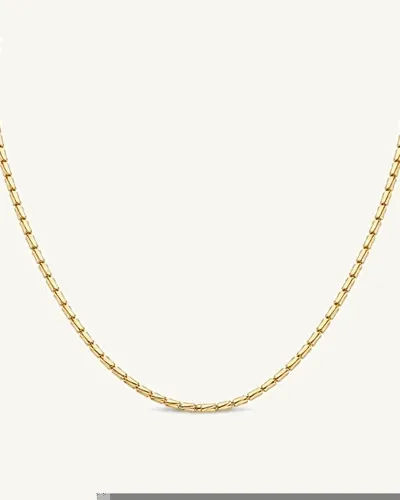
The easiest way to understand the difference between yellow and white, or between a thin ring and a thick one, is to hold them in your hand. Come to the shop at 64 Bilu St., Rehovot, or take a look at women's gold necklaces and at the rings. For questions, we're on WhatsApp.
Frequently asked questions
How much gold is in 14K gold?
14 parts out of 24, so about 58.3% gold. The rest are other metals that make the gold stronger and give it its tone.
What does 585 on gold jewelry mean?
It's the purity mark for 14K gold: 585 parts gold out of 1,000.
Which is better, 14K or 18K?
For everyday wear, 14K resists scratches better and holds stones well. 18K is more yellow and more expensive. It's a matter of use and taste.
Is white gold real gold?
Yes. It's gold mixed with light-colored metals, usually plated with rhodium. The plating can be redone when it wears.
Does 14K gold rust or tarnish?
No. It can go dull from skin oil and creams, and a gentle clean is enough to bring back the shine.
Does the price of a piece depend on the gold weight?
Yes, among other things. A piece with more gold costs more. Some of our product pages show an approximate weight, and if the exact weight matters to you, you can ask us before you order.